‹ Gun City
Film · 2018 · Drama
Gun City
La sombra de la ley
C1Castilian127 minIMDb 6.3·RT 71% on Netflix
 Castilianon Netflix
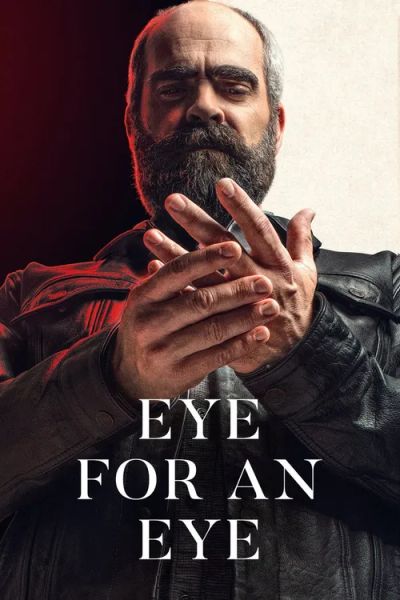
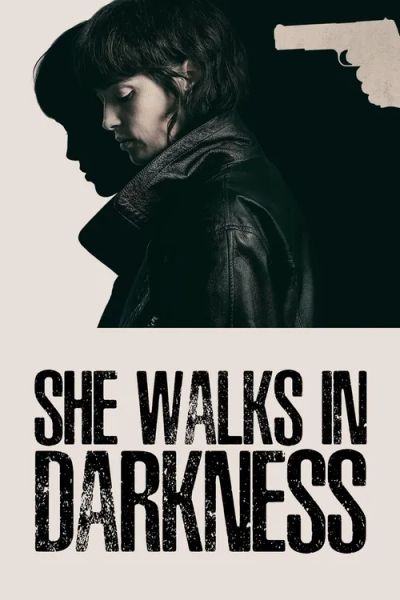
Barcelona, Spain, 1921. A tough cop from Madrid arrives in the city to locate, under the suspicious scrutiny of corrupt local police officers, a significant amount of military weaponry stolen from a train, allegedly by revolutionary anarchists.
28 words and expressions11 free to read and keep
Keep one and it comes back tomorrow, then 3 days, then a week, until you know it.
Worth remembering from this film
Ordered by what we think matters most.
anarquista
anarchistnoun/adjective (masculine/feminine)El sindicato estaba liderado por un grupo de anarquistas convencidos de sus ideas.The union was led by a group of anarchists convinced of their ideas.huelga
strike (labour)noun (feminine)Los trabajadores de la fábrica convocaron una huelga para exigir mejores salarios.The factory workers called a strike to demand better wages.comisario
police commissioner, superintendentnoun (masculine)El comisario reunió a todos sus agentes para explicar el nuevo plan de actuación.The commissioner gathered all his officers to explain the new action plan.atraco
robbery, hold-upnoun (masculine)La policía detuvo a los responsables del atraco a la joyería del centro.The police arrested those responsible for the robbery at the jewellery shop in the city centre.cargamento
cargo, shipment, loadnoun (masculine)El barco llegó al puerto con un cargamento de mercancías procedentes del norte.The ship arrived at the port with a cargo of goods from the north.brigada
brigade, squad (here: police intelligence unit)noun (feminine)La brigada de investigación estuvo trabajando durante meses en el caso.The investigation squad worked on the case for months.estar compinchado
to be in cahoots with someone, to be conspiring togetherexpressioncolloquialFrom 'compinche' (accomplice, crony). Implies a secret, usually dishonest collaboration between two or more parties. Often used accusatorially.
Está claro que el gerente y el proveedor estaban compinchados para falsear las facturas.It's clear that the manager and the supplier were in cahoots to falsify the invoices.esquirol
strikebreaker, scabnoun (masculine)Los huelguistas abuchearon a los esquiroles que entraron a trabajar por la puerta trasera.The strikers booed the strikebreakers who entered to work through the back door.dar el soplo
to tip someone off, to grass on someone, to inform on someoneexpressioncolloquialUsed when someone secretly passes information, usually to the police or a rival group, about another person's plans or crimes. Implies betrayal within a group.
Alguien dio el soplo a la policía y la operación se fue al traste.Someone tipped off the police and the whole operation fell apart.aplicar la ley de fugas
to apply the law of flight (extrajudicial execution of a prisoner under the pretext that they tried to escape)expressionA historical term for a practice in which police or military forces killed prisoners and then claimed they were shot while attempting to flee. Not a metaphor, but a loaded cultural and historical expression whose meaning cannot be derived from the individual words without historical context.
El periodista denunció que varios detenidos habían muerto víctimas de la ley de fugas.The journalist reported that several detainees had been killed as victims of the law of flight.
vulgar1 more entry, marked strong language because the film uses it.Show itHide it
manda huevos
what a nerve, you've got to be kidding me (expression of disbelief or outrage)expressionvulgarA fixed exclamatory phrase used when something strikes the speaker as absurd, outrageous, or deeply unfair. The literal words are irrelevant to the meaning, which is entirely idiomatic.
Manda huevos, llevo tres horas esperando y me dicen ahora que el médico no viene.You've got to be kidding me, I've been waiting three hours and now they tell me the doctor isn't coming.
11 worth keeping from this film. Free to read and keep.
An account is all it takes to keep them.
What Pro opens
- 11 more words and 6 more expressions here, and every entry in every other pack.
- Examples spoken in the show’s own dialect, not a browser voice.
Get Pro ›$59 $29.50 a year, or $8 $4 a month in USD. Early bird, 50% off for life. Cancel anytime.