‹ Despite Everything
Film · 2019 · Comedy
Despite Everything
A pesar de todo
C1Castilian75 minIMDb 5.4 on Netflix
 Castilianon Netflix
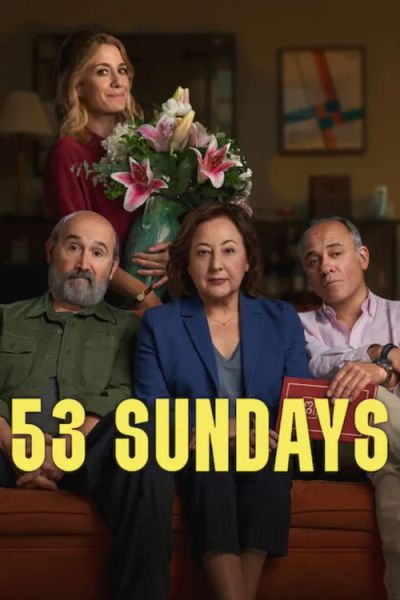
Sara, Lucía, Sofía and Claudia are sisters, 4 modern women with very different personalities, who come together at their mother's funeral, after which they discover the man they've all called "dad" throughout their lives is not really their father. They embark on a quest to discover who their real fathers are, discovering more about themselves, their mother, and their lives.
27 words and expressions11 free to read and keep
Keep one and it comes back tomorrow, then 3 days, then a week, until you know it.
Worth remembering from this film
Ordered by what we think matters most.
herencia
inheritance, estatenoun (f)Cuando murió su abuelo, los tres nietos se repartieron la herencia a partes iguales.When their grandfather died, the three grandchildren split the inheritance equally.testamento
will, last will and testamentnoun (m)El abogado leyó el testamento ante toda la familia reunida en el salón.The lawyer read the will in front of the whole family gathered in the living room.biológico
biologicaladjectiveFue adoptada de bebé y ahora quiere conocer a su familia biológica.She was adopted as a baby and now wants to meet her biological family.paternidad
paternity, fatherhoodnoun (f)La prueba de paternidad confirmó que él era el padre biológico del niño.The paternity test confirmed that he was the child's biological father.entierro
funeral, burialnoun (m)Solo los familiares más cercanos asistieron al entierro en el cementerio del pueblo.Only the closest family members attended the burial at the village cemetery.notaría
notary's officenoun (f)Tuvimos que ir a la notaría para firmar los documentos de la compraventa.We had to go to the notary's office to sign the purchase documents.engendrar
to father, to conceive, to begetverbDescubrió que había engendrado un hijo durante su época universitaria.He discovered he had fathered a child during his university years.estéril
sterile, infertileadjectiveLe diagnosticaron que era estéril después de varios años intentando tener hijos.He was diagnosed as infertile after several years of trying to have children.
vulgar3 more entries, marked strong language because the film uses them.Show themHide them
de puta madre
fantastic, bloody brilliant, great (emphatic)expressionvulgarDespite the literal words, this is a strong expression of approval or quality. Used enthusiastically to say something is excellent. Can also be used sarcastically to mean the opposite when the context makes it clear.
El concierto de anoche estuvo de puta madre, no me quería ir a casa.Last night's concert was absolutely brilliant, I didn't want to go home.a tomar por culo
get lost, go to hell, screw itexpressionvulgarVery strong dismissal used to tell someone to go away or to express complete exasperation. Said between people with no social filter in that moment. Among the strongest registers of dismissal available.
Cuando me exigió que le diera explicaciones otra vez, le dije que se fuera a tomar por culo.When he demanded I explain myself again, I told him to go to hell.echarse un polvo
to have sexexpressionvulgarVery common vulgar expression for sexual intercourse. Entirely idiomatic and the literal meaning gives no clue. Used casually among friends but inappropriate in formal contexts.
Llevaban meses sin verse y nada más llegar al hotel se echaron un polvo.They hadn't seen each other in months and the moment they arrived at the hotel they had sex.
11 worth keeping from this film. Free to read and keep.
An account is all it takes to keep them.
What Pro opens
- 9 more words and 7 more expressions here, and every entry in every other pack.
- Examples spoken in the show’s own dialect, not a browser voice.
Get Pro ›$59 $29.50 a year, or $8 $4 a month in USD. Early bird, 50% off for life. Cancel anytime.